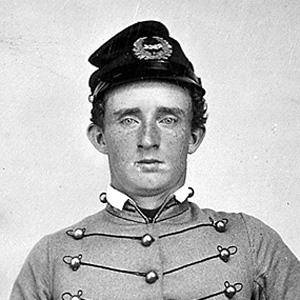
About
George Armstrong Custer was a controversial and flamboyant figure in American history, primarily known for his service as a war hero in the Indian Wars and his participation on the Union side during the American Civil War. Born on December 5, 1839, he met a dramatic end at the Battle of the Little Bighorn in 1876. Custer's life was marked by both military success and devastating defeat, making him a subject of enduring fascination and debate.
Before Fame
Custer's path to military prominence wasn't paved with ease. He demonstrated resourcefulness early on, financing his military schooling by undertaking manual labor, specifically carrying coal. This early experience instilled in him a sense of determination and self-reliance that would later characterize his military career. His ambition and drive were evident even before he achieved widespread recognition.
Career Highlights
Custer's military career saw significant achievements during the American Civil War. He played a vital role in the Appomattox Campaign, a crucial series of battles that led to the Confederate surrender. His presence at the surrender of Confederate General Robert E. Lee solidified his position as a key figure in the Union victory. However, his legacy is inextricably linked to the Battle of the Little Bighorn, where he and his command were famously defeated, a turning point in the Indian Wars and a symbol of westward expansion's tragic consequences.
Trivia
- His last words before being killed at the Battle of the Little Bighorn were reportedly, "Hurrah boys, we've got them! We'll finish them up and then go home to our station."
Family Life
Family played a significant role in Custer's life and military endeavors. His brothers, Thomas and Boston Custer, were not merely relatives but active participants in his military campaigns, fighting alongside him during the Civil War. This close familial bond likely influenced his decisions and provided a strong support system throughout his often-turbulent career.