About
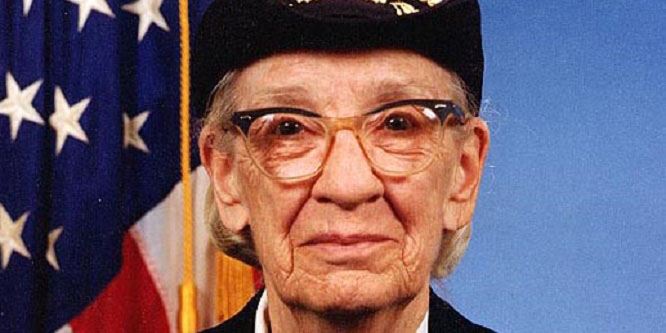
Grace Hopper, a pioneering figure in computer science, was born on December 9, 1906, and passed away on January 1, 1992, at the age of 85. She is celebrated for her groundbreaking work in developing compiler systems for computer programs and for conceptualizing machine-independent programming languages. Her contributions were pivotal in shaping the landscape of modern computing, making programming more accessible and efficient.
Before Fame
Hopper's academic journey began at Vassar College, where she demonstrated early intellectual promise. Before dedicating herself fully to her computer science endeavors, she took a leave of absence from Vassar to serve her country. During World War II, she was sworn into the United States Navy Reserve, marking the beginning of a long and distinguished career in naval service alongside her scientific pursuits.
Career Highlights
One of Hopper's earliest and most significant achievements was her role as one of the first programmers of the Harvard Mark I computer, a groundbreaking electromechanical computer completed in 1944. Her work on the Mark I laid the foundation for her later innovations in programming languages and compiler technology. Her development of the first compiler, A-0, revolutionized the way programs were written and executed. She also championed the idea of machine-independent programming languages, leading to the creation of COBOL, a widely used business-oriented language.
Trivia
- Hopper is credited with popularizing the term "debugging" for fixing computer glitches.
- The U.S. Navy destroyer USS Hopper (DDG-70) is named in her honor, a testament to her significant contributions to naval computing.
Family Life
In 1930, Grace Hopper married Vincent Foster Hopper, a professor at NYU. While details about their personal life remain relatively scarce, their marriage represents a significant part of her life outside of her professional achievements.