About
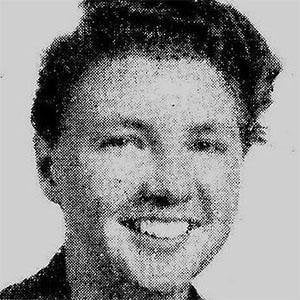
Leigh Brackett (1915-1978) was a highly influential American science fiction writer and screenwriter. A pioneering figure in both genres, she is celebrated for her contributions to classic science fiction and her work on several iconic films. Brackett's writing style is characterized by its vivid imagery, strong female characters, and a blend of adventure, romance, and social commentary. Her tales of Martian landscapes and interstellar conflicts captivated readers for decades.
Before Fame
Brackett's journey into the world of science fiction began in the early 1940s. Her debut science fiction story, "Martian Quest," was published in 1940, marking the start of her prolific career. Prior to her widespread recognition in science fiction, she also explored other genres, publishing a mystery novel titled "No Good from a Corpse" in 1944, showcasing her versatility as a writer.
Career Highlights
Brackett's literary career encompassed numerous short stories, novels, and screenplays. Some of her notable short science fiction works include "Child of the Green Light" (1942) and "The Vanishing Venusians" (1945). She gained further recognition for her work in Hollywood, contributing to the screenplays of films such as "The Big Sleep" (1946), "Rio Bravo" (1959), and "The Long Goodbye" (1973). Perhaps one of her most significant achievements was her involvement in writing the screenplay for "The Empire Strikes Back" (1980), for which she received a posthumous Hugo Award nomination. Her contribution was significant, even though she passed away before the movie's release.
Trivia
- She wrote the screenplay for "The Big Sleep" with William Faulkner and Jules Furthman.
- She was inspired by the works of Raymond Chandler.
- Brackett died of cancer shortly after completing the first draft of "The Empire Strikes Back".
- Her stories often featured strong female characters who defied traditional gender roles.
Family Life
Leigh Brackett was born and raised in Los Angeles, California. In 1946, she married fellow science fiction writer Edmond Hamilton, forming one of the genre's most notable literary partnerships. They remained married until her death in 1978.