About
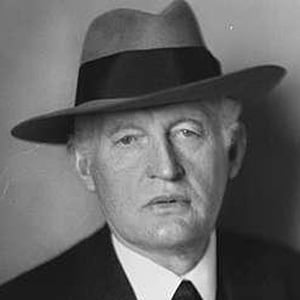
Edvard Munch, a Norwegian artist born on December 12, 1863, is celebrated as one of the pioneers of Expressionism. His emotionally charged and psychologically penetrating works explore themes of anxiety, love, death, and existential dread, reflecting the tumultuous inner landscape of the modern individual. Munch's innovative use of color, distorted forms, and raw brushstrokes broke away from traditional artistic conventions, paving the way for future generations of artists. He is most famous for his iconic painting, The Scream, a visceral depiction of human anguish that has become a universal symbol of modern alienation.
Before Fame
Before dedicating himself entirely to art, Munch initially pursued engineering studies at a technical college in 1879. He demonstrated a strong aptitude for scientific subjects like physics, chemistry, and mathematics. However, persistent health issues plagued him throughout his education, ultimately leading him to abandon his engineering pursuits and embrace his artistic calling.
Career Highlights
Munch's career was marked by both controversy and critical acclaim. The Scream, initially met with public derision, has since become one of the most recognizable and influential artworks in history. Following its completion, Munch embarked on an ambitious project entitled The Frieze of Life - A Poem about Life, Love, and Death, a series of paintings that delve into the complexities of human relationships and the cyclical nature of existence. His work significantly impacted the German Expressionism movement, influencing artists such as Ernst Ludwig Kirchner and Emil Nolde. Munch's paintings, prints, and drawings are exhibited in major museums worldwide, solidifying his legacy as a pivotal figure in modern art.
Trivia
- Munch's macabre tastes were fueled by his father, Christian Munch, who regaled young Edvard and his siblings with ghost stories and tales by Edgar Allan Poe.
- His painting The Storm is displayed at the Museum of Modern Art in New York City.
Family Life
Edvard Munch had four siblings: Johanne, Peter, Inger, and Laura. The loss and illness experienced within his family deeply impacted his artistic vision and contributed to the emotional intensity of his work. His upbringing, marked by both creativity and hardship, shaped his perspective on the human condition and fueled his artistic exploration of universal themes.