About
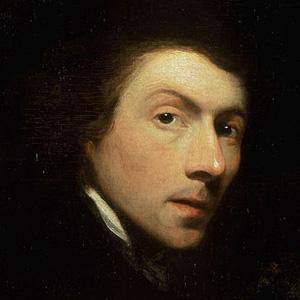
Gilbert Stuart, born on December 3, 1755, in Rhode Island, was a prominent American painter renowned for his portraits, particularly his unfinished masterpiece of George Washington, known as "The Athenaeum." This iconic image has become synonymous with the first U.S. President, gracing the one-dollar bill and numerous U.S. Postage stamps, cementing Stuart's place in American art history. His artistic skill and ability to capture the essence of his subjects made him a sought-after portraitist during the early years of the United States.
Before Fame
Stuart's artistic journey began early in life. He received his initial training under the tutelage of Scottish artist Cosmo Alexander in Rhode Island. Alexander's guidance proved crucial in Stuart's development, assisting him in creating one of his earliest known portraits, "Dr. Hunter's Spaniels," at the remarkably young age of 14. This early success demonstrated Stuart's innate talent and potential, setting the stage for his future accomplishments.
Career Highlights
Stuart's career soared as he painted portraits of the first six U.S. Presidents, including John Adams, solidifying his reputation as the premier portraitist of the nation's founders. His distinct style, characterized by vibrant colors and realistic depictions, captured the personalities and gravitas of his subjects. "The Athenaeum" portrait of George Washington, while unfinished, remains his most recognizable and enduring work, a testament to his artistic genius.
Trivia
- Stuart faced significant financial challenges throughout his life, often struggling with debt.
- His artwork has been showcased in prestigious museums, including the Metropolitan Museum of Art, the Frick Collection, the National Gallery of Art, the National Portrait Gallery, the Worcester Art Museum, and the Museum of Fine Arts.
Family Life
Gilbert Stuart was the third child of Elizabeth Anthony and Gilbert Stewart. His father played a pivotal role in the early American economy, working at the first colonial snuff mill in the New World, which was notably located in the family's basement.